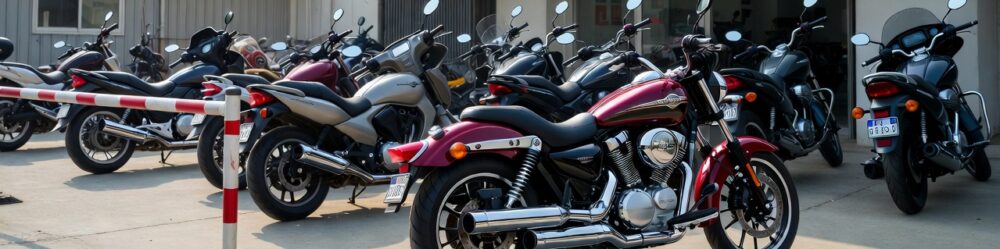

Everyone asks about the purchase price first, but a year into owning one of these e motorcycles, the number that surprised me most wasn’t on the original invoice at all. It showed up gradually, spread across twelve months of small differences I hadn’t thought to calculate ahead of time or budget around properly.
Electricity Is Cheap, But Not as Cheap as People Assume
The pitch you hear constantly is that charging costs pennies compared to gas, and technically that’s true. What that comparison leaves out is charging efficiency loss, the difference between what the battery actually holds and what your outlet meter reports at the end of the month. On an electric sport bike ridden aggressively, that gap widens more than the marketing math suggests, especially with frequent fast charging.
Even accounting for that, the savings were real over twelve months, just smaller than the optimistic online calculators promised. I tracked actual charging costs against what I would’ve spent on gas for equivalent mileage, and the electric side won clearly, but not by the dramatic margin some forum posts had led me to expect going in before I actually did the math myself.
Insurance Quotes Varied More Than I Expected
This part caught me off guard entirely. I assumed insuring an electric motorbike would land somewhere close to a comparable gas bike, maybe slightly cheaper given fewer moving parts to break down and less to go wrong mechanically. Instead, quotes varied wildly between providers, some treating it like a novelty item and pricing accordingly, others barely understanding how to categorize it at all, asking questions clearly meant for a completely different kind of vehicle.
Shopping around mattered more here than it ever did with a gas bike, mostly because there wasn’t a reliable baseline everyone was working from yet, which meant every quote felt like a slightly different guess dressed up as a firm number.

A few things worth checking before assuming a quote is accurate:
- Whether the insurer has actually priced electric models before, or is guessing
- How battery replacement cost factors into their valuation
- Whether roadside assistance covers a dead battery the same as a dead engine
That last point tripped up two different providers when I asked directly, hesitating and putting me on hold, which told me more about their actual experience with these bikes than anything in their marketing materials.
Resale Value Is Still an Open Question
Here’s the part nobody can answer with much confidence yet, myself included, no matter how many forums I’ve combed through looking for an honest answer. Battery degradation over years, not months, is the real unknown hanging over resale value for an e bike motorcycle, and there simply isn’t enough long-term data floating around to say definitively how that plays out for a buyer three or four years down the line.
What I can say is that demand for used electric models has stayed steadier than I expected in my area, driven mostly by people who wanted to try one without committing to a brand-new price tag right away. Whether that holds as more used inventory hits the market over the next few years is anyone’s guess at this point, mine included.
None of this changes whether e motorcycles are worth owning, but it does mean going in with a clearer picture than the initial price tag suggests, since most of the real cost conversation happens quietly, well after that first invoice gets signed and everyone’s stopped paying attention.